About
Angela N. Johnson, PhD, RAC
Cross-functional operator for medtech, biotech, life science, and health tech. Diligence, regulatory, market access, and engineering leadership across twenty-five years. Founder of The Real Cat AI Labs.
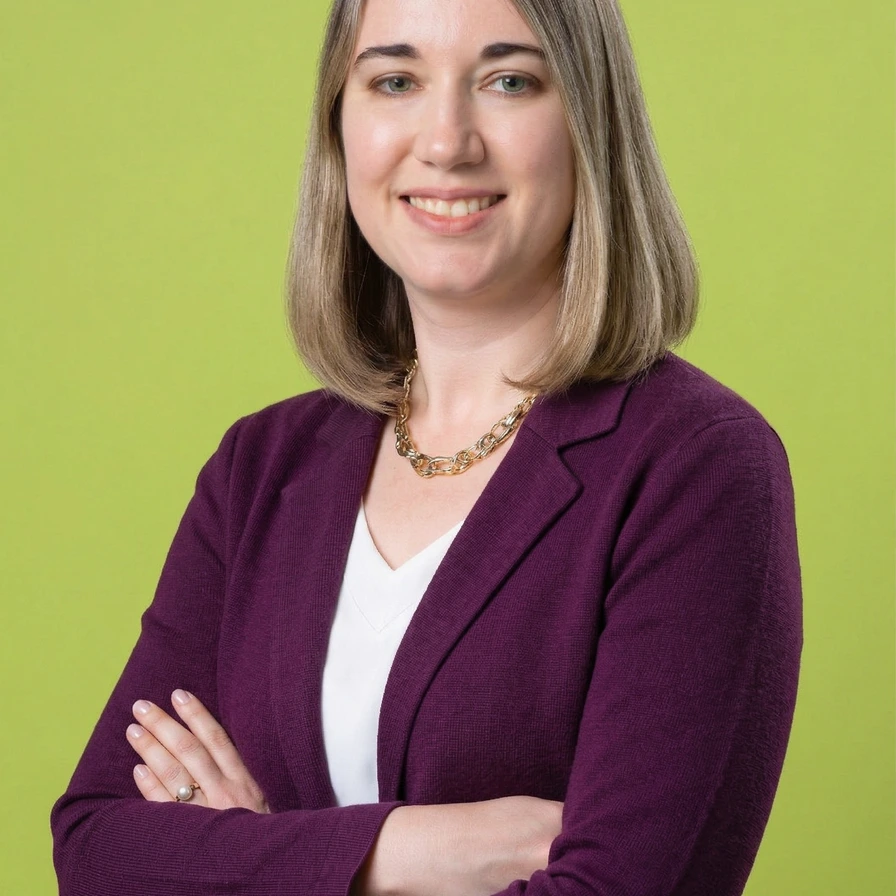
I work in the space where medtech and biotech innovation meets the business of bringing it to market. Diligence frames the bet. Regulatory decides whether the bet is allowed. Market access decides whether anyone gets paid for it. Engineering leadership decides whether the thing actually works. The job is the connective tissue between them.
What I do now
My day job is Senior Vice President of Advisory Services at Avania, where I lead the global practice that helps medtech, biotech, and life science companies make the calls that matter. Sometimes that is a regulatory pathway through FDA, EMA, MDR and IVDR, or the Asia-Pacific regulators. Sometimes it is a diligence call on an AI-enabled health tech platform before a Series B. Sometimes it is the market access and reimbursement strategy that decides whether a brilliant product gets paid for. Sometimes it is the engineering leadership question of whether the team can actually ship. The remit is cross-functional because the decisions are. Founders, investors, and operating teams come to us when the question is bigger than any single function.
How I got here
The arc is not a straight line. I started in materials science and engineering at NC State, drifted into technical communication and a PhD at Texas Tech on the rhetoric of science and healthcare, spent the early years in industry IT and technical and medical writing for the companies building the field, then moved into regulatory affairs and clinical operations leadership for combination products, cell and gene therapies, and AI-enabled devices. I have led the regulatory function for multiple VC-backed companies through IPOs (Sigilon, Roivant) and strategic exits. I have worked inside GE Healthcare, IQVIA, Roivant, Sigilon, and Cytiva. I have been the first regulatory hire at a Flagship startup, the integration lead during a billion-dollar acquisition, and the person quietly writing the IND at three in the morning. The compliance and technical roots run deep. The broader executive remit is where the work lives now.
Where the AI work started
Long before generative AI was a magazine cover, I was deep inside deep-learning and machine-learning work for radiology at GE Healthcare. Synthetic MRI image generation. Algorithm-enabled medical devices. The kinds of problems where the model is the product and the regulator is in the room with you. The 2017 Lucien Levy Award for Best Original Research from the American Journal of Neuroradiology was for that MAGiC synthetic MRI work, and it set the foundation for the next decade of AI-enabled medical device work I have done across Roivant, Sigilon, Cytiva, and now Avania. The AI roots run further back than the current AI moment lets on. The machine cognition research I do today at The Real Cat AI Labs is the natural extension of two decades inside the systems before we called them that.
The other half of my work
Lives at The Real Cat AI Labs, the research nonprofit I founded. We study machine cognition, AI literacy, and the practical ethics of language models that have to operate in human contexts. Our flagship project, Child1, explores adaptive moral decision-making in AI systems. The premise is simple and unfashionable. An AI that cannot refuse is not aligned, it is just compliant. We are interested in the harder version of the problem. How does a system remember context, weigh competing values, and navigate ethical complexity in the room with a person who needs a real answer. I write about this in 100 Ways to Power Artificial Intelligence, a book that uses potatoes as the unit of analysis and is more mathematically rigorous than that sentence suggests.
Teaching and community
I teach FDA regulatory strategy as adjunct faculty at Northeastern University, contribute chapters to the RAPS regulatory affairs textbooks, and serve as co-chair of the CMC committee at the American Society of Gene and Cell Therapy. I live in the Boston area with my family, three cats, a bearded dragon, and seventeen species of roach. The roaches are research subjects. So are the cats, although they have not consented.
For media, speaking, and interview inquiries, see the press kit.